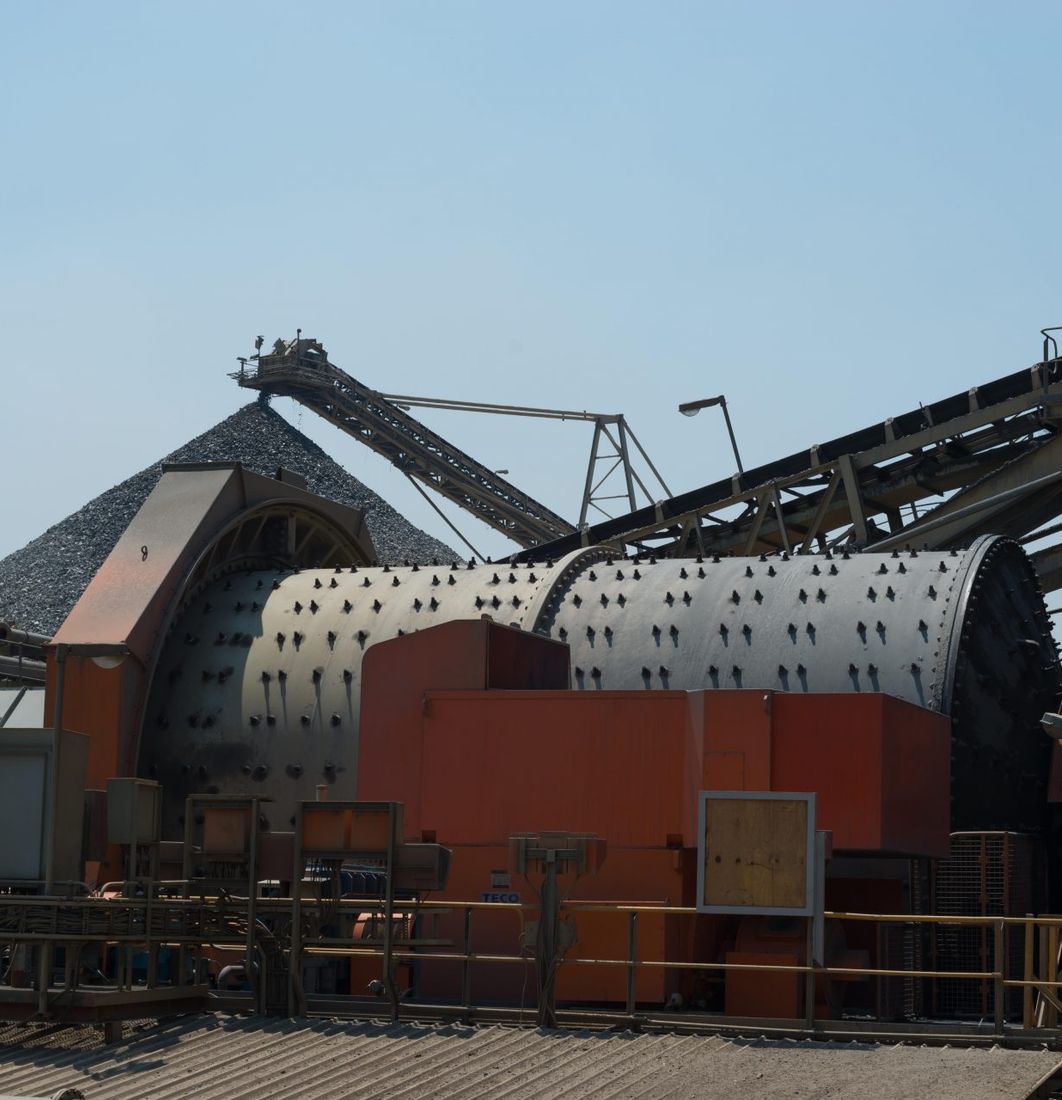
Grinding and flotation, one system
Solutions
Grinding Optimisation

Media size, chemistry and hardness are often inherited from the last supplier or the last mill. We test those assumptions against your ore, mill and operating data, then prove the result on site.
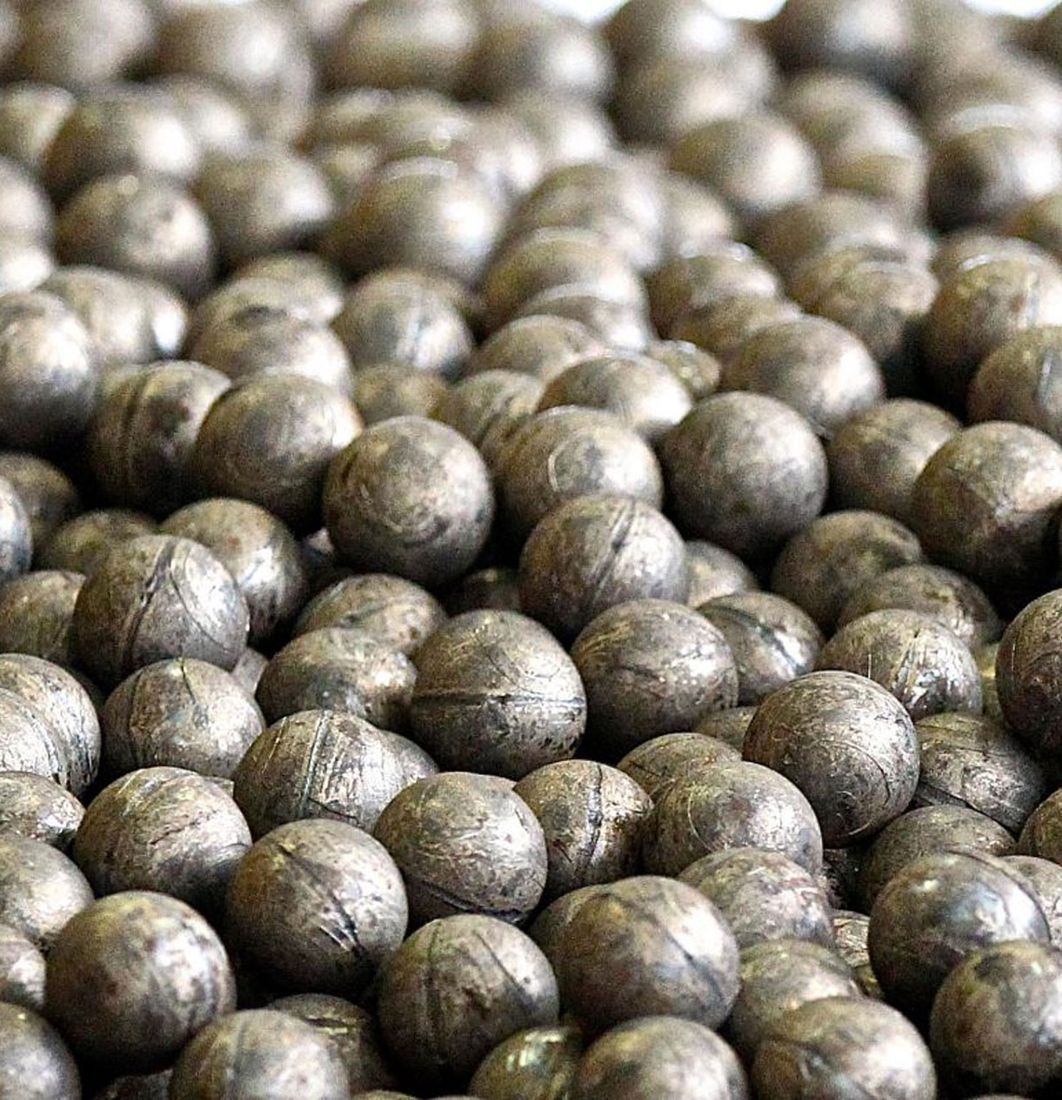
Grinding Media
We optimise the grinding media for the application, not simply select a standard product from a catalogue
Broken balls are not automatically a quality fault. Impact energy, liner condition, mill speed, media size, chemistry and heat treatment can all contribute. We identify the cause before changing the product.
Questions we hear:
- Is our top-up ball size right, or just what we have always used?
- Why are balls breaking in the SAG mill?
- Would a different media lower our cost per tonne, not just our wear rate?
How We Work
From Application to Validated Result
Understand the application
Investigate the ore, mill, current media and operating conditions to determine what the grinding media needs to do in that specific application.
Optimise media size
Challenge inherited assumptions about top-up size and size distribution. Mill conditions, ore characteristics, grinding duty, historical performance and trial evidence show whether the existing size is actually optimal.
Optimise media design
Optimise material chemistry, hardness, toughness, heat treatment and microstructure within technically sound and manufacturable ranges. The goal is the correct wear-hardness-toughness balance, not maximum hardness or maximum alloy content.
Validate and continuously optimise
Metallurgical testing, marked-ball testing, controlled trials and industrial validation, as appropriate. We measure wear, breakage, throughput, energy, P80, grinding performance and cost per tonne, then refine the specification.
What you receive
- A site visit to understand the mill and the current media
- A Site-Specific Grinding Optimisation Report: findings, rationale, recommended specification and validation plan
- A trial design with agreed measures: wear, breakage, throughput, energy, P80 and cost per tonne
What we need from your site
- Mill type, dimensions, speed, power, liner condition: impact energy and grinding duty
- Ore hardness and abrasiveness, feed and product size (F80/P80): required top-up size and wear environment
- Current media (supplier, size, chemistry, consumption): baseline for wear and cost per tonne
- Water chemistry and pH: corrosive wear contribution
- Breakage and scats history: whether breakage is a design, duty or quality issue
- Throughput and energy records: how to judge improvement
Related products: Forged · High chrome · Ceramic