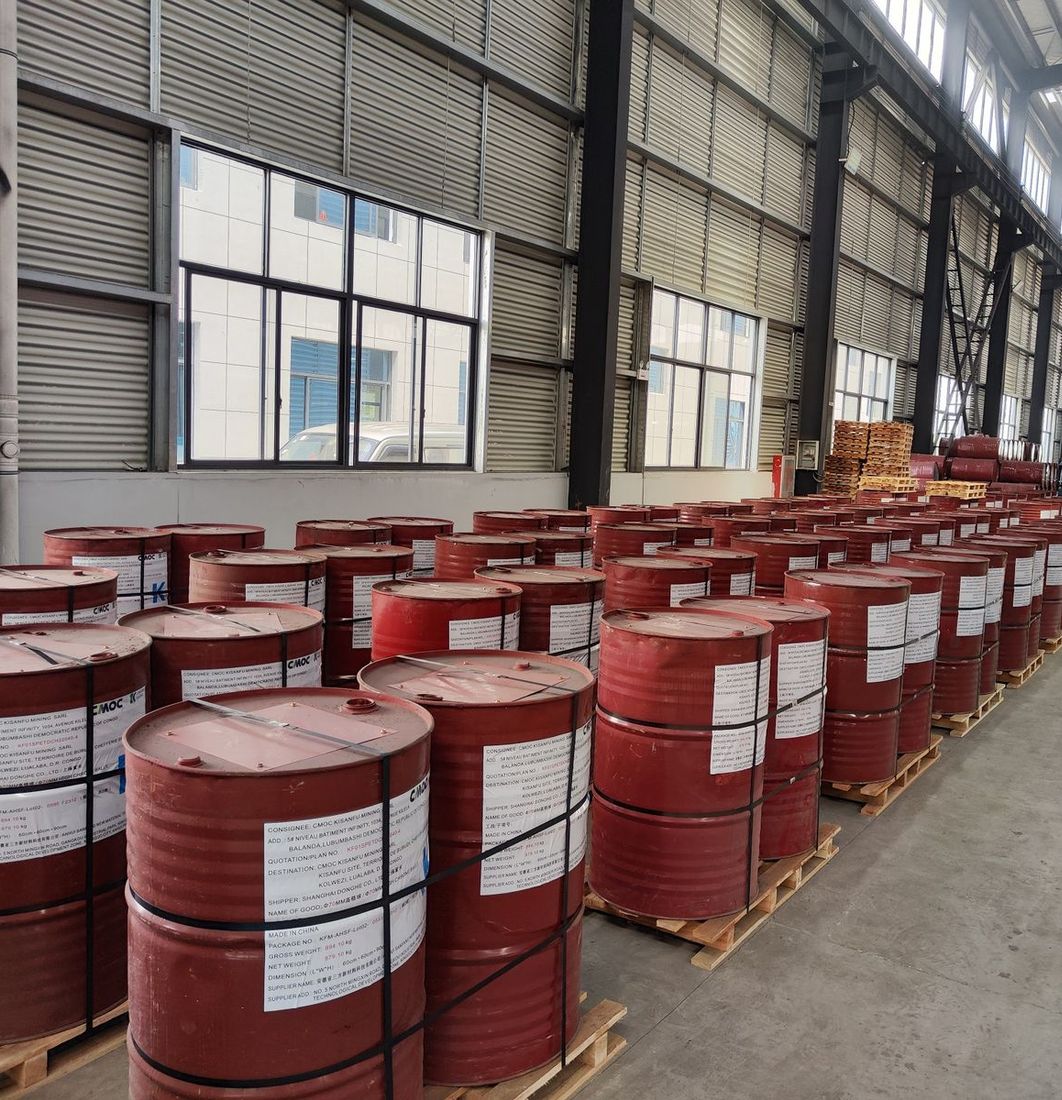
Grinding and flotation, one system
Solutions
Flotation Optimisation

Changing a collector or frother without knowing why recovery is low turns optimisation into trial and error. We diagnose the limitation first, then design the chemistry and operating strategy around it.
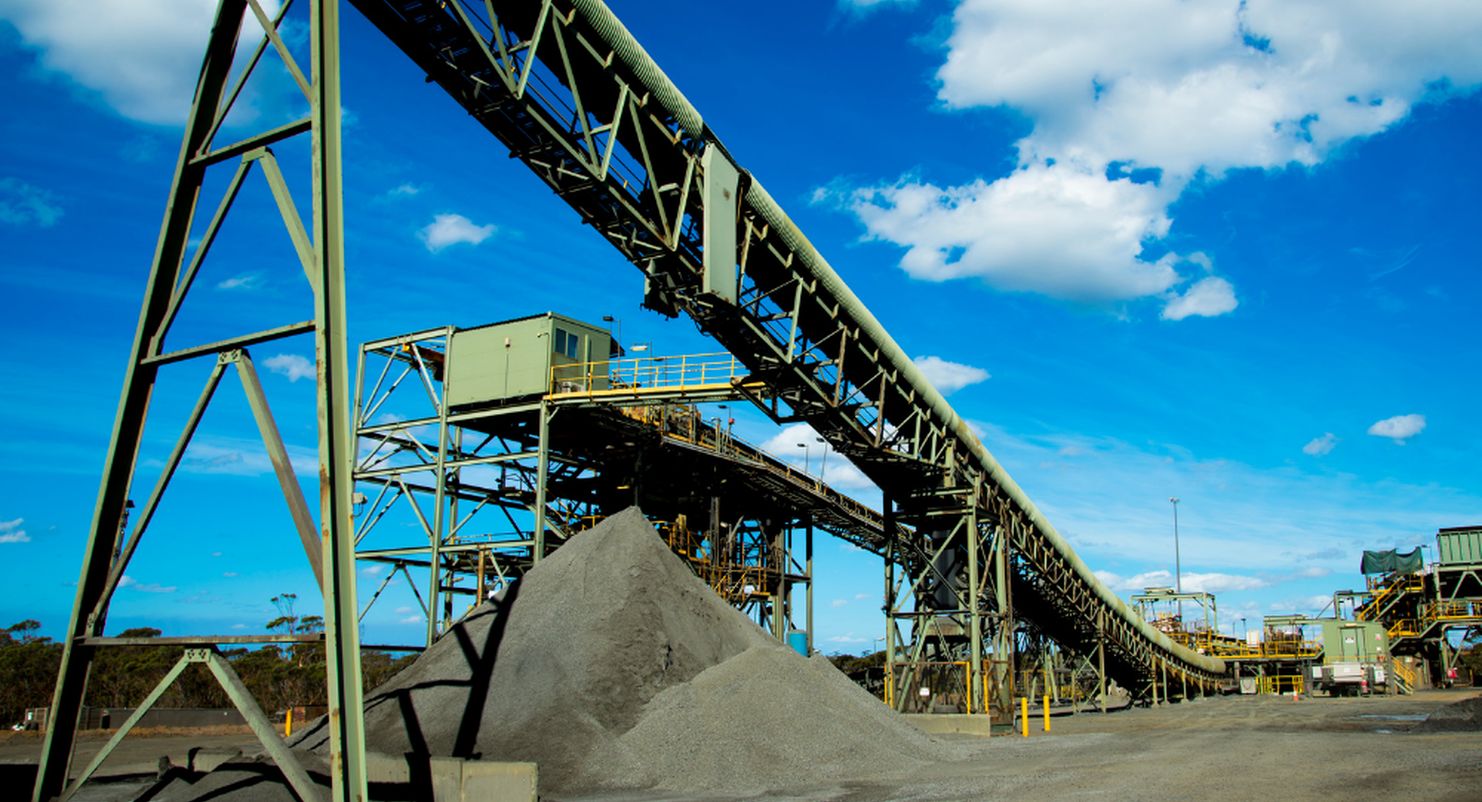
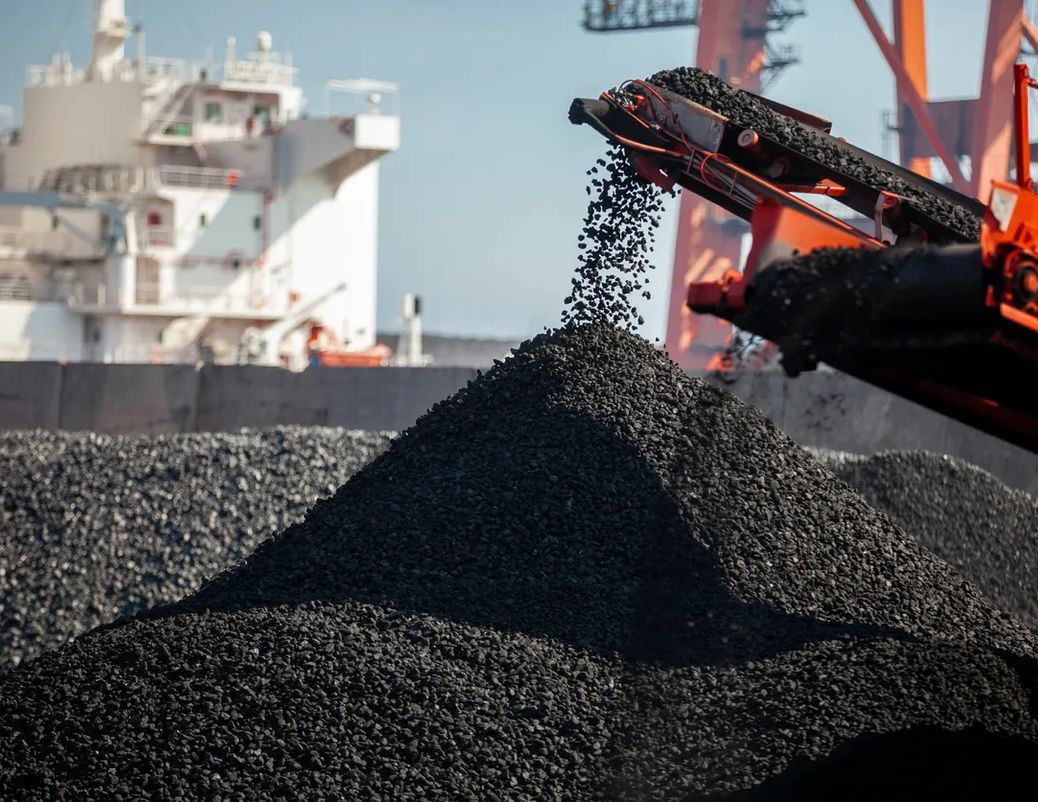
Flotation Chemicals
We do not start with the reagent. We start with the cause.
A product is selected or developed after the limitation has been diagnosed, and its performance is reported as laboratory, pilot or plant validated.
Questions we hear:
- Recovery dropped when the ore changed. Is it the reagent, the grind or the water?
- How much pyrite are we carrying into the concentrate, and can we reject it without losing copper?
- We have trialled three collectors. Why did none of them hold up in the plant?
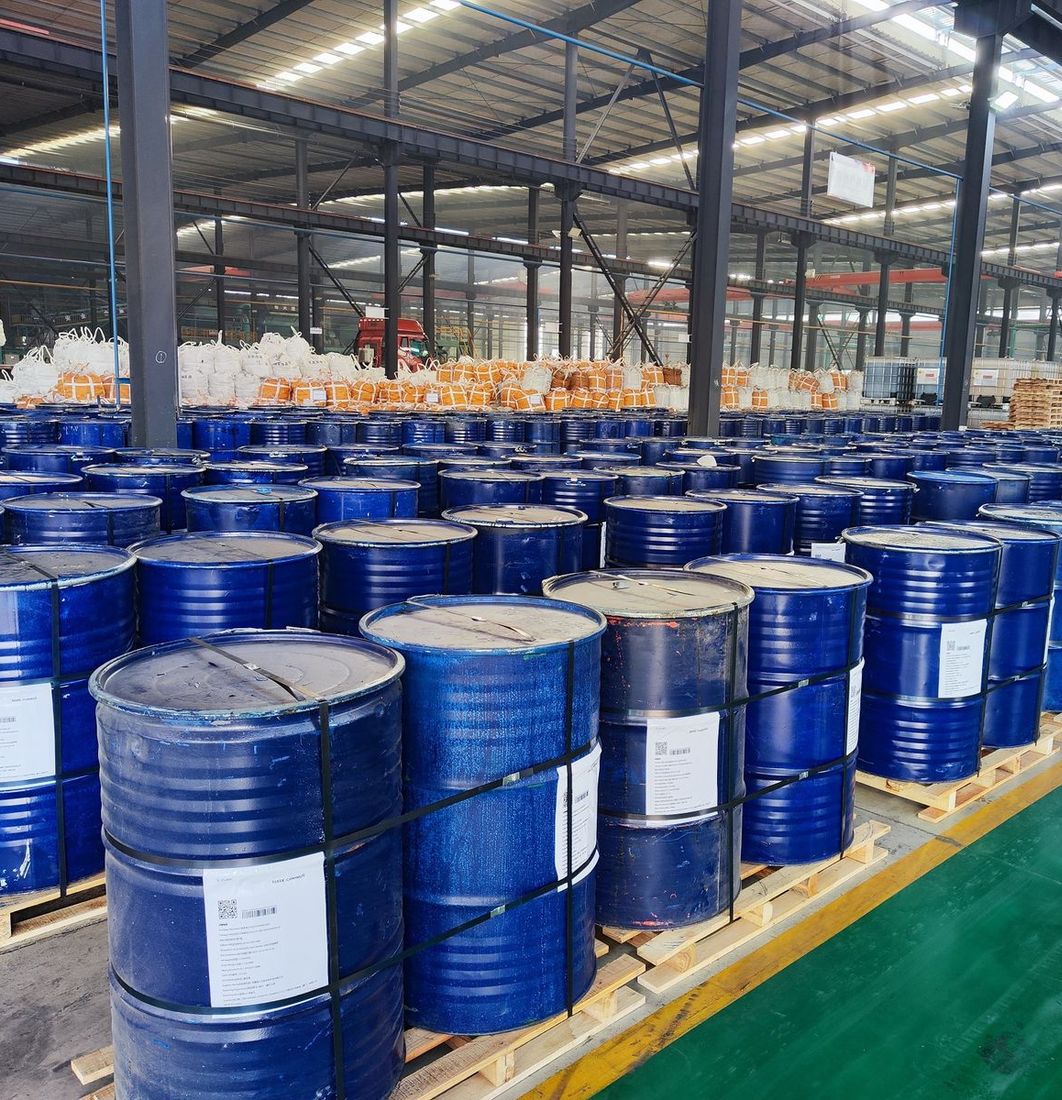
How We Work
From Diagnosis to Plant Validation
Understand the ore and process
Review mineralogy, liberation, particle size, water chemistry, pulp chemistry, current reagent scheme, circuit configuration and operating conditions.
Diagnose the limitation
Determine why recovery, grade, selectivity, kinetics or stability is being limited before changing chemistry.
Investigate the mechanism
Targeted fundamental and laboratory work where required: mineralogy, size-by-size recovery, water and pulp chemistry, kinetics, surface behaviour and grinding-related effects, to test the diagnosis.
Develop the reagent and operating strategy
Select or develop collectors, frothers, depressants, modifiers, blends, dosage, addition points and conditioning strategy based on the identified cause rather than repeated trial and error.
Validate at plant scale
Move from laboratory evidence to controlled plant validation. The objective is to show not only that a reagent works, but why it works and whether the improvement holds under real operating conditions.
What we need from your site
- Circuit flowsheet
- Current reagent scheme and dosages
- Feed, concentrate and tailings assays
- Size-by-size recovery, if available
- Mineralogy (QEMSCAN or MLA), if available
- Process water analysis
- Representative ore samples
What you receive
- A site visit and sampling campaign
- A site-specific flotation report: diagnosis, evidence, recommended reagent and operating strategy, and the plant validation plan
- Every result labelled by where it was proven: laboratory, pilot or plant
Related products: Flotation chemicals